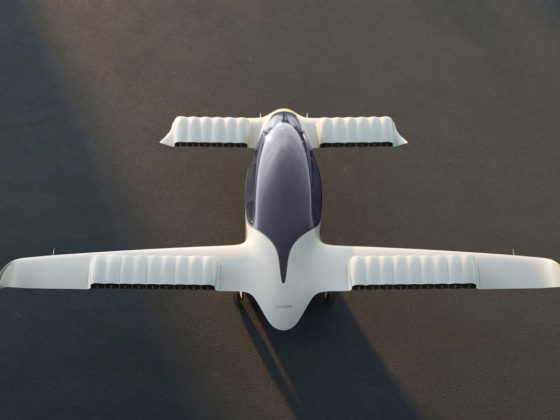
Icarus, son of the inventor Daedalus, escaped from the island of Crete thanks to feathers attached to his body with wax, but he crashed because the heat of the sun melted the wax, causing him to fall into the sea where he died. Greek mythology gives rise to flight, and the evolution of the new era is already successfully directed towards electricity with the Lilium Jet. A first journey into the fascinating world of aviation officially started in 1903.
The 15 minutes that will separate Lugano from Milan by 2026 on board an all-electric plane will be 123 years since the first powered flight that the American brothers Wilbur and Orville Wright achieved on 17 December 1903, remaining in the air for 12 seconds over a distance of 36 metres.
One of mankind’s greatest achievements, which Icarus already dreamt of with his bird feather wings, will mark another epoch-making turning point in the navigation of the skies with a true technological and above all environmental revolution. The ‘impact 0’ programme, which has the ambitious goal of achieving climate neutrality by 2050, has already been launched.
A new mobility that will help reduce dependence on fossil fuels and promote the transition to a more sustainable energy system, with a focus on the development of new technologies in batteries, engines and energy management systems.
Respect for the environment
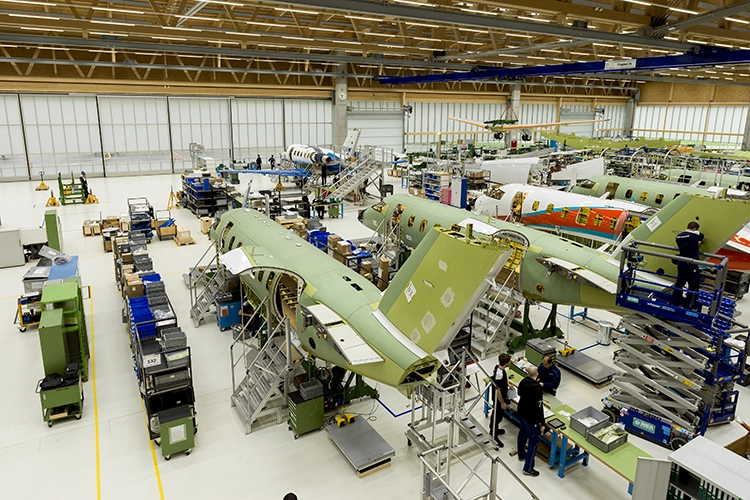
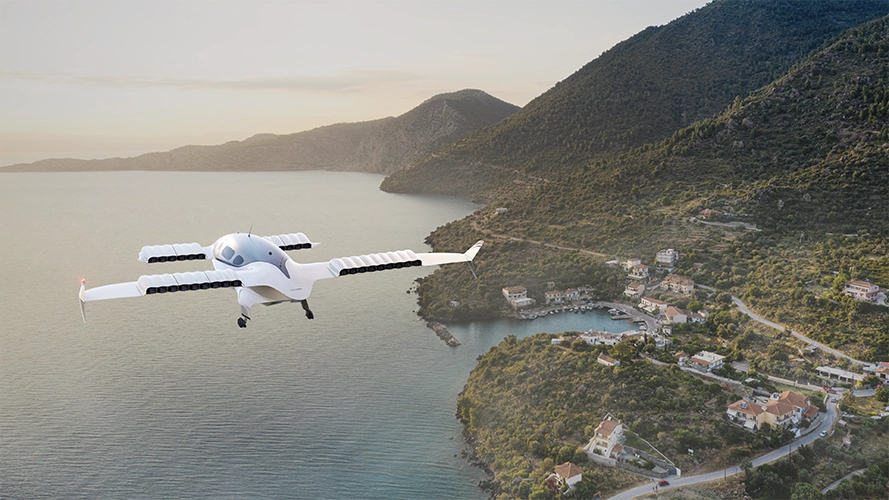
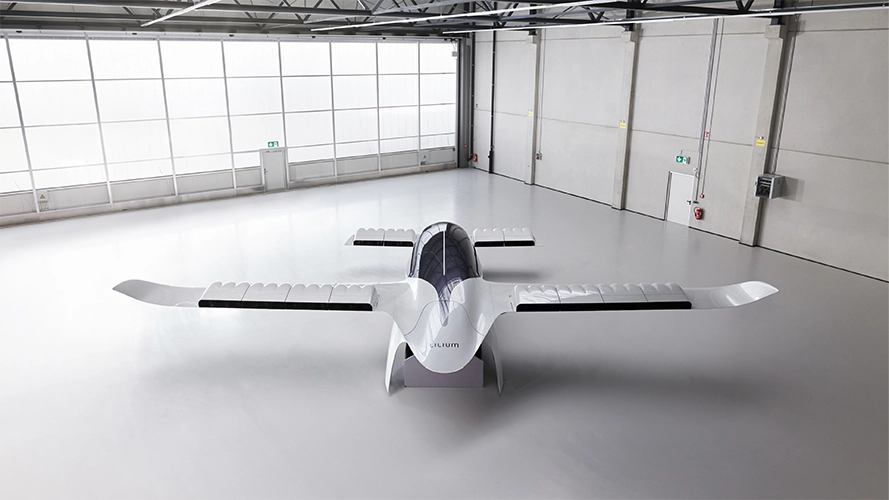
The Lilium Jet, from the German manufacturer of the same name based in Munich, is the first electric jet aircraft designed to travel at high speed (and with a very low noise profile) while respecting the environment. Air-Dynamic, a private aviation company based in Lugano that has been operating in the sector for 20 years, will be able to offer this novelty of international scope on regional routes such as the Lugano-Milan connection, Geneva with other locations in French-speaking Switzerland or Zug with the Zurich region.
New frontiers to be overcome
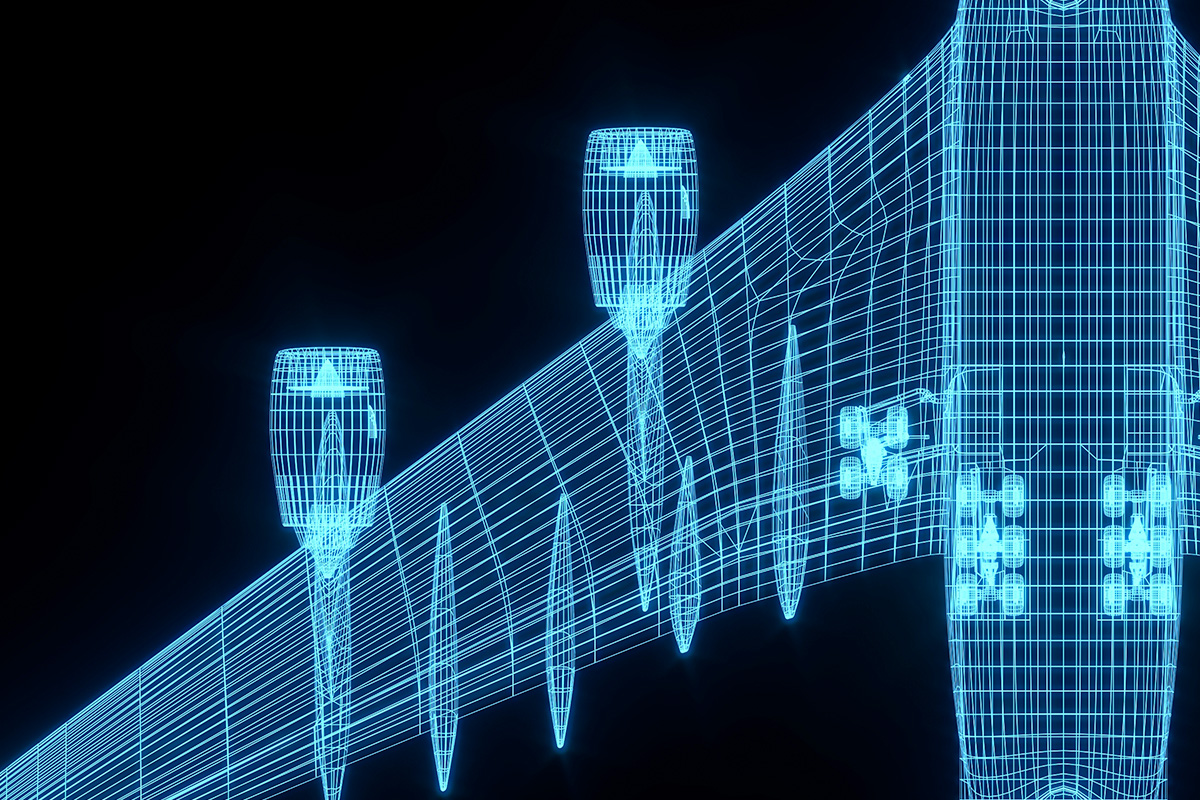
This rapid development plan, which has always characterised the evolution of aeroplanes, has already opened up the new dimension of hypersonic, supersonic and even space craft, which will be able to further reduce travel time and break new frontiers.
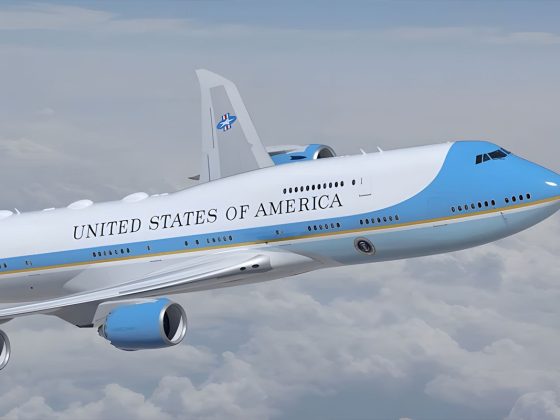
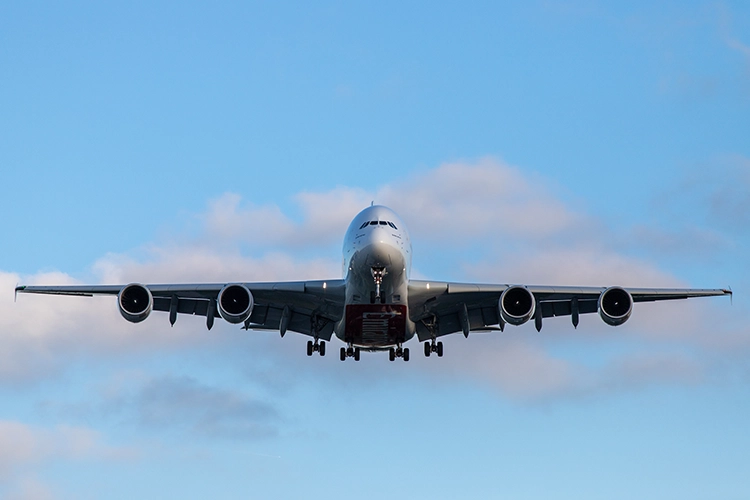
Today, a comfortable and safe service makes it possible to fly in a relatively short time. Giant airliners, such as the Airbus A380 or the Boeing 747-8, can transport hundreds of people every day, from one end of the world to the other, with the impact of digital technology at all levels, to the extent that Internet access with Wi-Fi is now also available in the sky, improving work and entertainment on board.
Increasingly popular private service
In this context, an ever-expanding private air service fits perfectly, with an ever-increasing number of passengers able to access this type of exclusive travel for a tailor-made experience that goes beyond the limitations of traditional scheduled flights.
One of the main factors contributing to this development is the increase in demand from individuals and companies seeking greater flexibility and comfort when travelling. The private air service allows passengers to avoid queues, waiting times and restrictions of commercial flights, offering a faster and more exclusive travel experience.
Targeted demand on the rise
The pandemic, with the (almost) total paralysis of civil aviation, has had the effect of increasing private flights in Europe and particularly in the UK, to over half a million trips in 2022. Among the main destinations is the Paris-London route, while Geneva-Cointrin airport is among the top six bases with 14,582 departures, mainly to the French capital.
Private flights from Switzerland increased from 7,890 in 2020 to 35,269 in 2022, with Zurich-Basel, Geneva-Sion and Zurich-St. Gallen among the most popular domestic transfers. The shortest stopovers are Altenrhein (SG) and Friedrichshafen, Germany.